 vi
vi Popular
 22-Jan-2026
 1,302
1,302 

Raising commercial egg-laying ducks is one of many types of livestock farming that is developing, bringing high economic efficiency and is being widely replicated in localities. However, raising egg-laying ducks at this stage requires farmers to have experience as well as know how to apply science and technology to actual production. This article will provide detailed instructions on techniques for raising egg-laying ducks to improve livestock productivity by 20%.
Commercial value of egg-laying ducks
Fresh duck eggs are chosen by consumers to prepare a variety of daily meals because they are easy to preserve, quick to process, have reasonable prices and ensure nutritional needs. Duck eggs provide Omega 3 to help increase anti-inflammatory ability, reduce the risk of chronic diseases, in addition, duck eggs also contain high levels of protein, vitamins A, D, E, zinc, potassium, phosphorus, etc.
Thanks to the nutritional value that duck eggs bring to human health, the commercial value of egg-laying ducks is also enhanced and brings economic benefits to many farming households. To be able to manage the quality of egg sources, it is necessary to understand the techniques of raising laying ducks, requiring farmers to have experience as well as know how to apply science and technology to actual production. This article will guide you through the techniques of raising laying ducks to help improve livestock productivity by 20%.
Commercial duck farming techniques
Focus on 5 technical solutions for raising laying ducks:
- Solution 1: Building barns
- Solution 2: Selecting breeds
- Solution 3: Feeding program
- Solution 4: Care management
- Solution 5: Biosecurity – Veterinary
With the goal:
- Optimizing barns
- Selecting breeds with the best productivity
- Building an optimal feeding program
- Applying care processes according to each stage of duck development
- Minimizing disease and reducing veterinary medicine costs
Solution 1: Building barns
Building barns needs to meet a number of purposes:
- Cost savings: Building a barn needs to ensure cost optimization
- Environmental suitability: The barn also needs to ensure suitability with terrain, land, and pond conditions.
- Choosing a farm model: Depending on the scale and financial resources, the farm owner chooses to build a solid or simple farm depending on the area of land or pond.
- Convenient transportation: The farm design must ensure convenience for transportation, electricity, and water.
Building a barn must meet a number of requirements:
- Ensure ventilation: Building a farm must ensure that the farm is always airy in the summer.
- Ensure enough warmth: When building a farm, it is also necessary to ensure that it is always warm in the winter.
- Convenient sanitation: The farm design must ensure easy cleaning and disinfection after each batch of livestock.
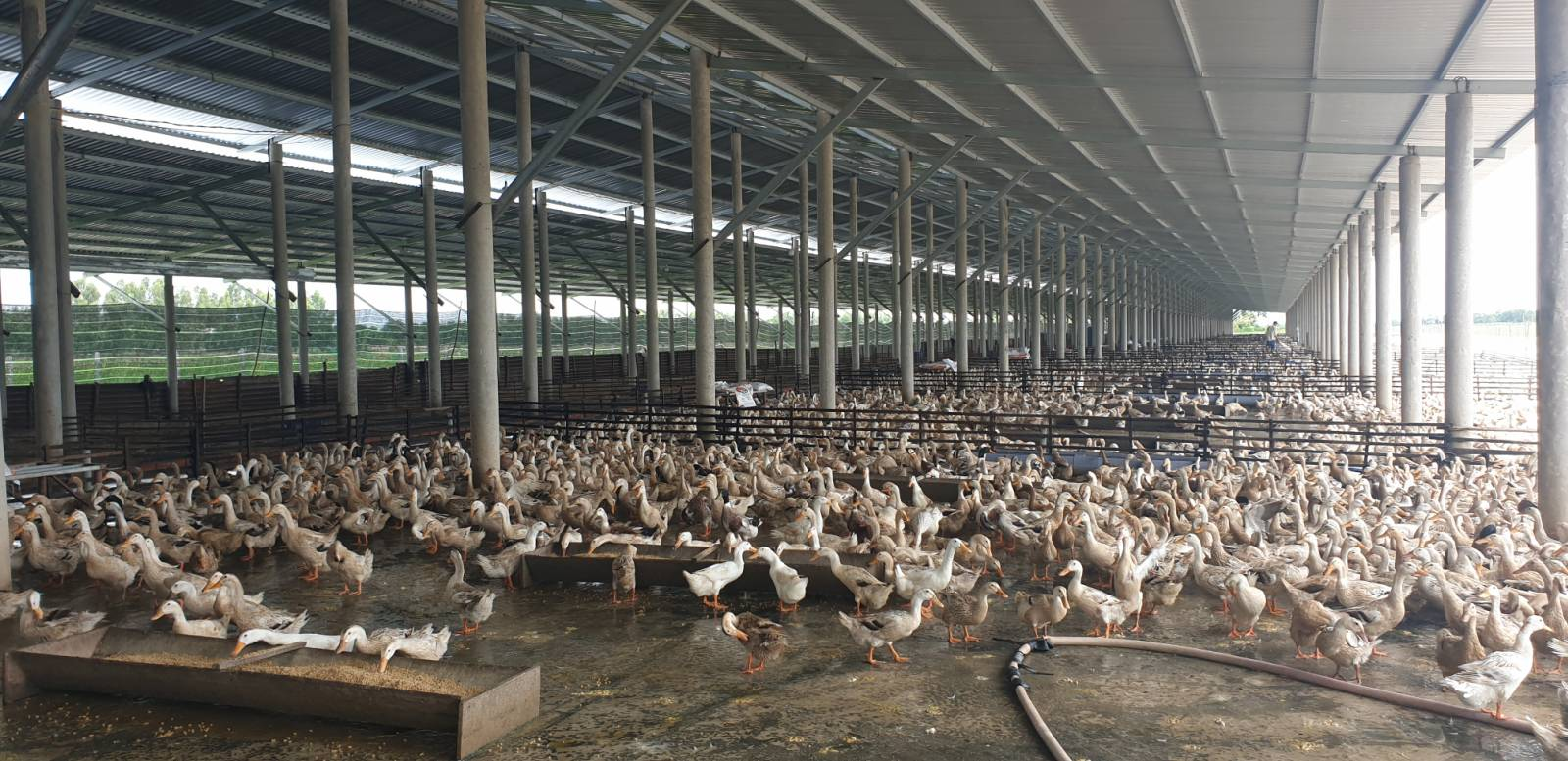
2 POPULAR FARM MODELS TODAY:
| Barn, shelter model | Images | Advantages | Disadvantages |
| Closed barn model | 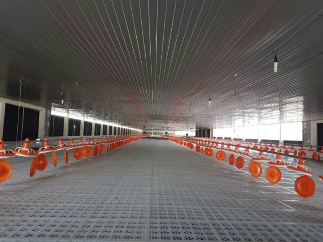
Often applied in raising parent ducks and high-yield ducks for eggs |
|
|
| Open barn model |
Livestock farming type: Raising in riverbanks, ponds and lakes |
|
|
|
|
|
|
|
|
|
|
|
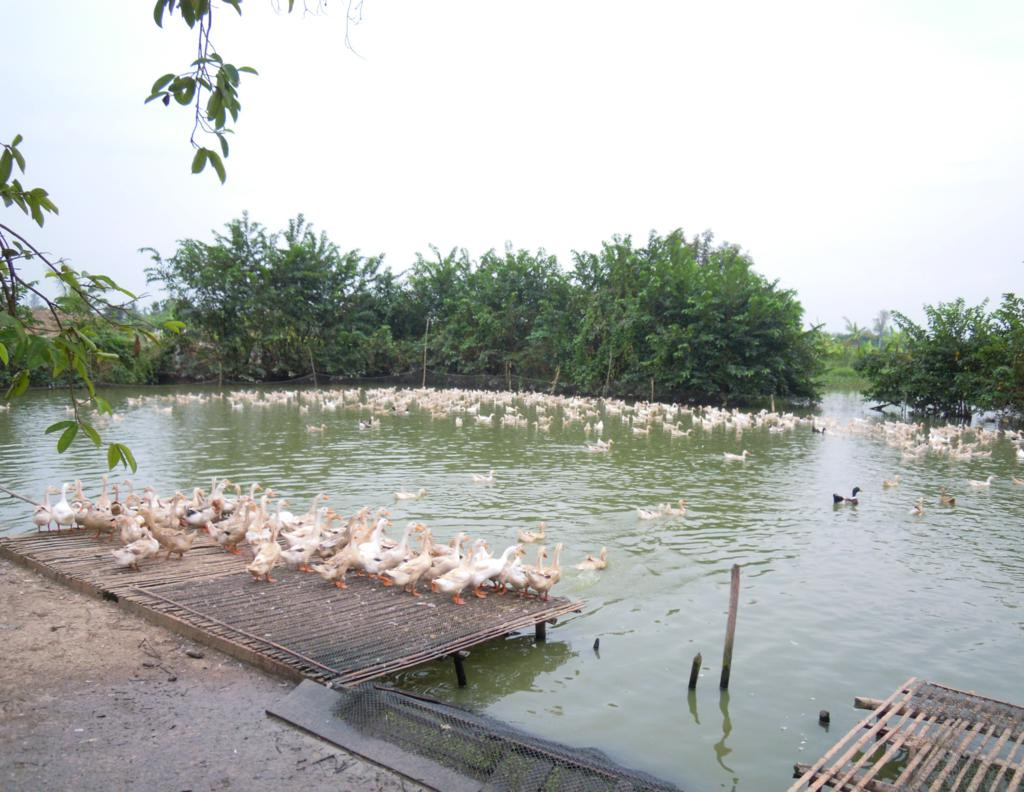
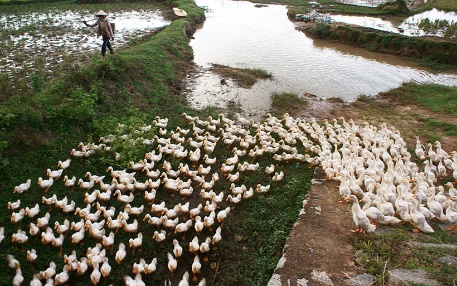 Farming type: Free range ducks
Solution 2: Selecting breeds
Breeds are a very important factor in raising ducks because the quality of the breed and the type of breed will affect the egg productivity of laying ducks, so choosing the breed of duck to raise is extremely important in raising techniques.
SOME MAIN DUCK BREEDS RAISED FOR EGGING TODAY
| Duck Breed | Image | Productivity |
| CO DUCK | 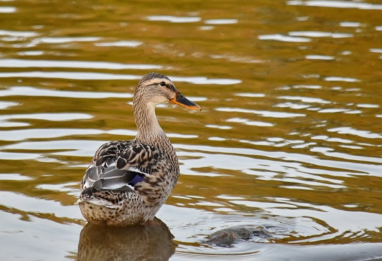 |
|
| MOC DUCK | 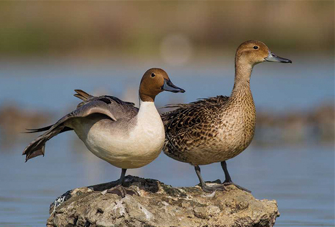 |
|
| KHAKI CAMBEL DUCK | 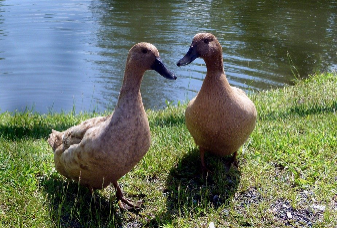 |
|
| CV 200 LAYER DUCK | 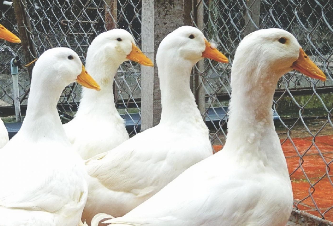 |
|
| SUPER LAYER DUCK | 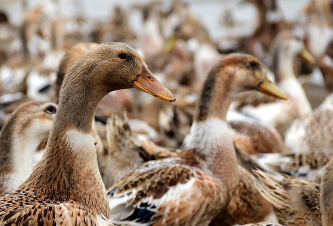 |
|
Solution 3: Feeding program
During the care and feeding process for breeding ducks, a quantitative feeding regimen must be implemented to control body weight according to standards to ensure uniformity of the flock, not too fat or too thin, so that the ability to reproduce later will give high productivity.
|
Age |
Nutritional Needs | Suitable Foods |
| Ducklings 1-125 days old |
Physical condition | 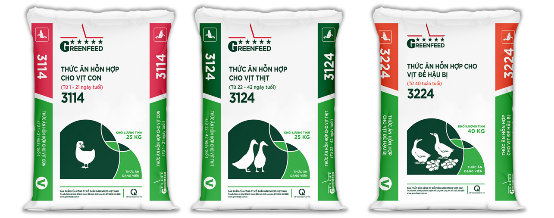 |
| Ducks Lay Eggs | Development and Sexual Maturity | 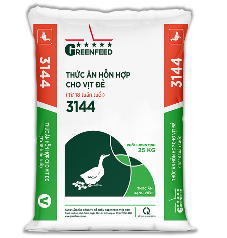 |
| Laying Ducks | Lay Super Meat Eggs | 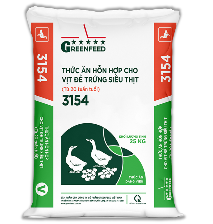 |
Solution 4: Management and care
Steps of management and care of laying ducks:
- Step 1: management and care of laying ducks during the brooding stage
- Step 2: management and care of laying ducks during the duckling stage
- Step 3: management and care of laying ducks during the duckling stage
| Stage | Image | Condition |
| Duck brooding | 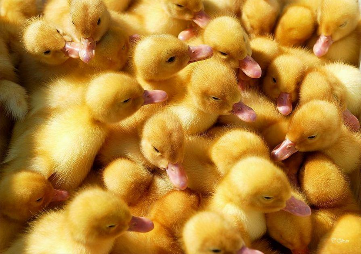 |
|
| Duck laying eggs | 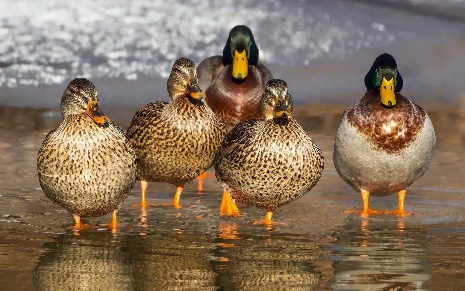 |
|
| Laying duck | 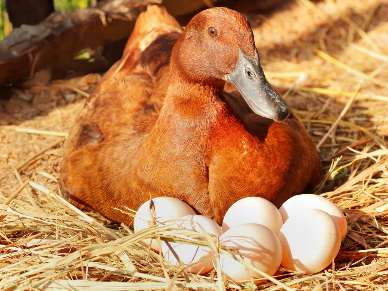 |
|
Solution 5: Biosecurity – Veterinary
Although ducks are considered to be the most adaptable animals to external conditions and can withstand some disadvantages of the living environment, they are still often attacked by some diseases, causing serious damage.Therefore, duck farmers need to do a good job of veterinary hygiene and disease prevention to ensure the safety of their flocks and the effectiveness of the investment process.
3 LEVELS OF DISEASE PREVENTION MEASURES
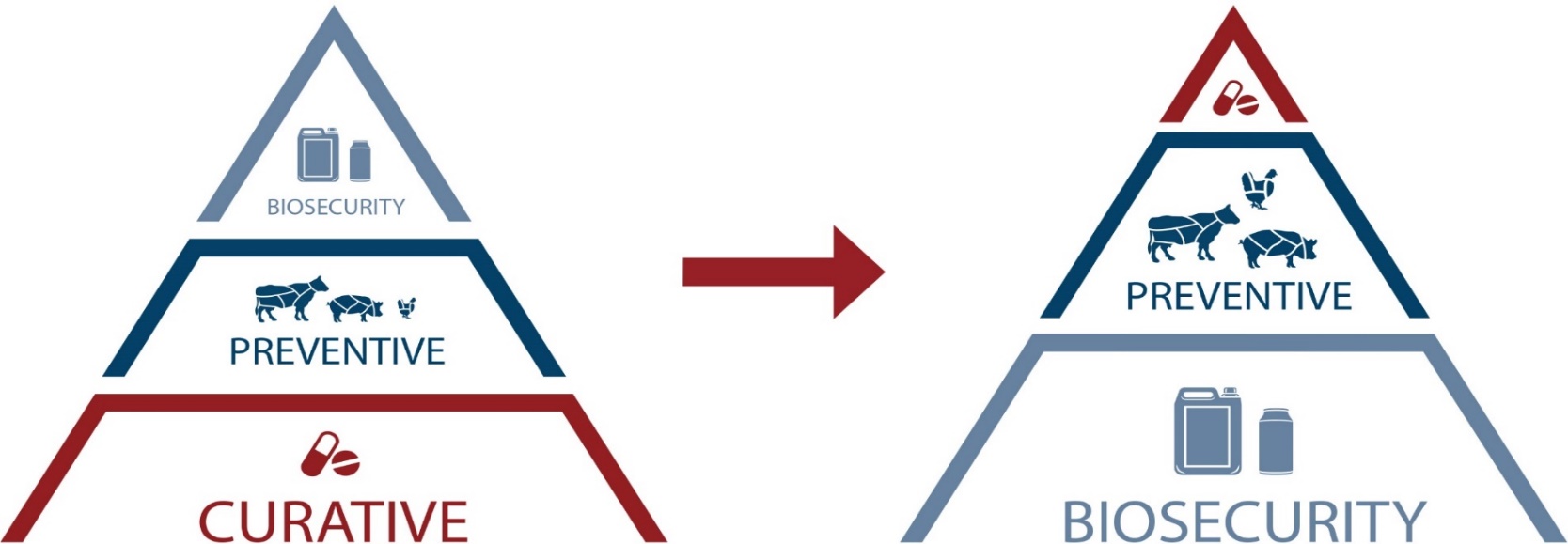
Level 1: Biosecurity Program
Level 2: Stress Reduction
Level 3: Vaccines – Medicines
Notes to control pathogens:
- Feed ducks with specialized feeding troughs to avoid food loss and pathogens
- Regularly disinfect the breeding area and especially the duck grazing area
- Avoid letting ducks come into contact with water sources contaminated with pathogens
- Periodically supplement broad-spectrum antibiotics for ducks. Do not sell eggs to the market during the period of antibiotic use
- Vaccinate ducks for cholera and influenza periodically according to the vaccination program.
Conclusion:
It can be said that raising ducks for eggs is a direction with a lot of potential and advantages, helping farmers increase their income, reduce poverty and many households have become rich from this livestock. Therefore, in addition to practical production experience, it is necessary to clearly understand the 5 key methods and fully apply technical processes for safe, effective and sustainable livestock farming.


 24-Jun-2026